

When the Market Breathes: A Different Way to See Prorex Forex Trading Through Strategy and Structure
Most trading journeys do not begin with flashing indicators—they begin with small moments, like noticing how a currency pair drifts while you prepare breakfast or catching a headline that bends the market mood. In that subdued rhythm, the landscape of Prorex forex trading reveals itself not as a dramatic arena but as a system layered with choices: which Prorex account fits your structure, how signals should be interpreted, and why spreads move the way they do. It becomes less about quick reactions and more about assembling a framework, a kind of architecture that supports steady decision-making rather than impulsive trades.
Content
Mapping the Logic of Prorex Account Choices
When people first encounter Prorex account types, they often look for the simplest difference—minimum deposit requirements, spread variations, or the presence of certain tools. But beneath these surface elements lies a deeper question: Which structure supports the way you make decisions? The distinctions between accounts—whether basic or more feature-rich—become less about features themselves and more about how a trader imagines their workflow.
Prorex regulation often enters the conversation here. Not as a dramatic headline, but as part of a checklist: who oversees the service, how funds are managed, and what obligations shape its operations. This layer of verification becomes a quiet foundation for risk understanding, especially for beginners building their own trading blueprint from the ground up.
How Prorex Forex Trading Shapes Foundational Strategies

Prorex forex trading does not hand out strategies directly. Instead, it frames the conditions in which strategies are imagined. A beginner may start by noticing when currency pairs act predictably during certain hours. Someone else may realize they are more suited to observing long-term shifts rather than responding to rapid changes.
Strategy-building becomes an exercise in balancing scale and timing. A small move amplified by leverage may look appealing, but the more enduring insight tends to be that direction matters more than speed. Prorex online trading tools offer charts, indicators, and execution windows, but the real construction happens when traders decide what information to prioritize and what noise to ignore.
Reading Movement and Signal Patterns on the Prorex Platform
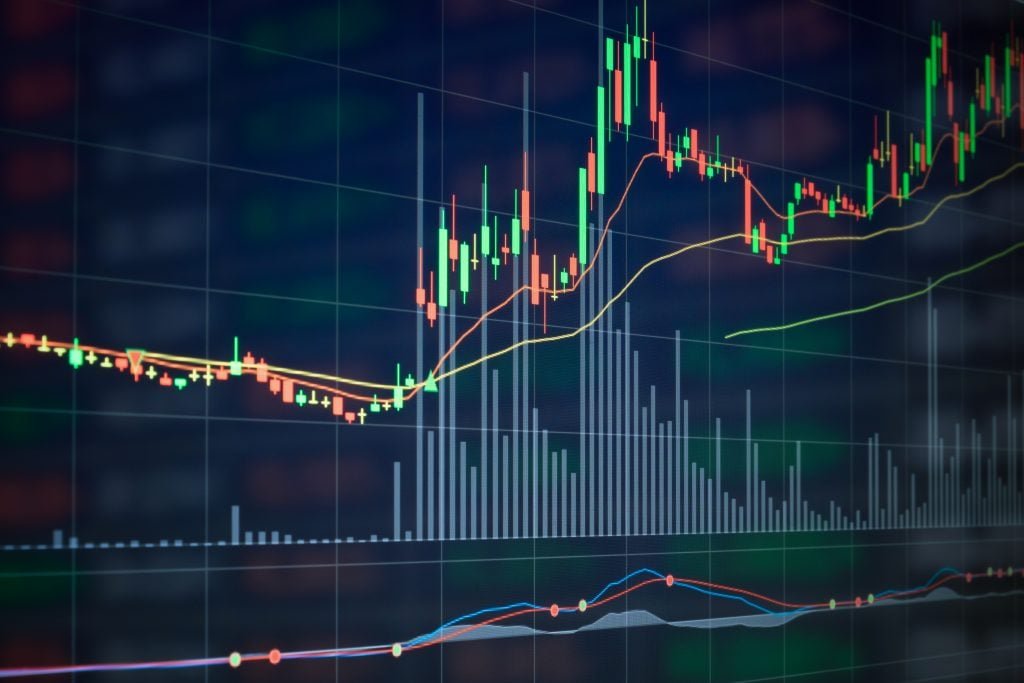
Every platform leaves subtle fingerprints on the user’s approach. The Prorex trading platform is no exception—its chart arrangements, order buttons, and integrated prorex signals influence how people understand movement. Not by telling them what to think, but by suggesting a rhythm.
Signals can highlight areas of interest, but the transformation occurs when traders question them: Why did this alert trigger? What pattern preceded it? Treating signals as conversation starters rather than commands allows beginners to develop analytical habits. This habit eventually becomes a defensive tool, something that protects them from reacting too quickly to sudden market noise.
What Spreads Deposits and Withdrawals Reveal About Daily Trading
At first glance, the prorex spread, Prorex deposit and withdrawal routines, and funding options appear to be purely administrative. Yet these elements quietly shape the tempo of a trader’s day. A narrower spread may encourage more frequent trades, while a wider one pushes the trader to be selective.
Deposits and withdrawals reveal how the platform handles time—processing windows, payment pathways, potential fees. These are practical considerations that have little glamour but immense influence. A trader who understands these mechanics tends to trade with more intention, grounding their decisions in the real structure of their environment rather than abstractions.
The Strategic Mindset Beyond Tools and Interface

Tools can assist, platforms can display information elegantly, and bonuses—such as a Prorex trading bonus—may appear from time to time. But strategy emerges from something more internal. It forms in the gap between impulses and choices, shaped by the trader’s capacity to build systems that hold up under uncertainty.
Some people construct routines: a morning scan, a midday review, an evening reset. Others anchor themselves in risk limits. The interface becomes secondary; the structure becomes primary. And whether the chosen approach is minimalistic or highly analytical, the framework remains the true engine behind every trade made through a prorex trading account.
Conclusion – Prorex forex trading
Stepping back, the architecture of Prorex forex trading becomes clearer—not as a series of features but as an environment in which strategy is assembled piece by piece. Each decision builds onto the next, forming a quieter, steadier system that guides traders long after the initial excitement fades. Register PROREX member NOW! Click HERE
Official Website:Prorex Limited
General Support and Inquiries:Support@Prorex.Asia
Finance Inquiries:Finance@Prorex.Asia
Prorex —— FAQs
Questions traders often ask when shaping strategies or exploring Prorex tools


